
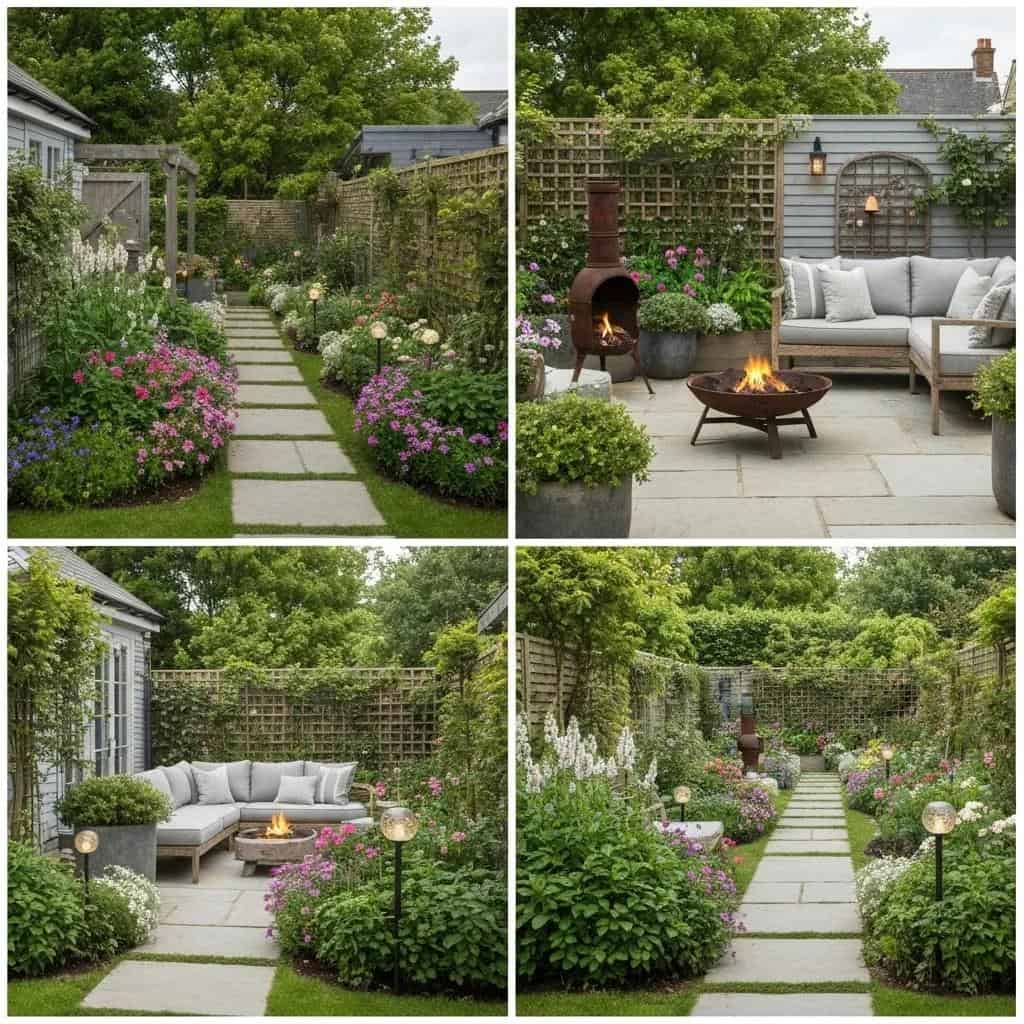
Expert Garden Design Ideas Montana: Transform Your Outdoor Living Spaces with Smooth Stone Landscaping Blog
Creating a garden that balances beauty, functionality, and sustainability has become essential for Montana homeowners seeking to maximise outdoor living. This guide delivers the latest design concepts, space-saving solutions, eco-friendly planting schemes, and hardscaping trends to help you craft an inspiring garden. Backed by insights from Smooth Stone Landscaping’s expert landscaping services, readers will discover:
- Top garden design ideas shaping Montana homes next year
- Practical tips for building functional outdoor kitchens, fire pits, and lighting
- Leading sustainable landscaping trends and materials suited to Montana’s weather
- Detailed steps for designing natural stone patios and implementing eco-friendly gardens
- Guidance on hiring professionals, budgeting projects, and unlocking bespoke design expertise
By following this structured roadmap for garden design ideas, you’ll transform your outdoor space into a year-round sanctuary that enhances lifestyle, property value, and environmental health.
What Are the Top Garden Design Ideas for Montana Homes?
Garden design ideas today emphasises sustainable planting, creative hardscaping, and seamless indoor-outdoor transitions to boost usability and visual appeal. Integrating bold colour palettes with native perennials enhances biodiversity while natural stone pathways and seating areas anchor each scheme. These approaches improve year-round interest and support local ecosystems before we explore contemporary versus cottage styles and space-maximising techniques.
Which Contemporary and Cottage Garden Styles Suit Montana Gardens Best?
Contemporary garden design ideas feature minimalist geometry, smooth surfaces, and statement planting to create sleek, low-maintenance landscapes that complement modern homes. In contrast, cottage gardens blend informal layouts, fragrant flowering shrubs, and climbing roses for a romantic, nostalgic setting that promotes pollinator activity.
- Contemporary gardens use defined lines and structural elements to highlight focal points.
- Cottage schemes layer perennials and annuals for a rich tapestry of seasonal colour.
- Hybrid designs merge minimalist paving with herbaceous borders to balance formality and charm.
Blending these approaches allows homeowners to tailor the ambience to architectural style and personal preference, setting the stage for optimising small spaces next.
How Can You Maximise Small Garden Spaces in Montana?
Compact gardens thrive on clever zoning, vertical planting, and multi-functional furniture to expand perceived area and optimise usability. Planning a clear path network and raised beds maximises planting surface, while trellises and living walls utilise vertical volume.
- Install fold-away seating that doubles as storage for tools or cushions.
- Use mirror-finish planters or reflective water features to create depth illusions.
- Combine container gardening with climbers to add greenery without reducing floor space.
These tactics improve spatial flow and prepare the ground for integrating sustainable plant choices that support local habitats. How you will move through your space is one of the more important details for good garden design ideas.
1. What Native Plants Enhance Sustainable Garden Design in Montana?
Native species such as Pasqueflower, Wild Onion, and Blanketflower reduce water demand and promote wildlife by providing nectar, shelter, and seed sources. Their deep root systems improve soil structure and natural pest resistance while fostering seasonal interest.
| Plant | Characteristic | Benefit |
|---|---|---|
| Pasqueflower | Early spring bloomer | Supports early-season pollinators |
| Wild Onion | Perennial, edible | Attracts bees, deer resistant |
| Blanketflower | Long-blooming perennial | Attracts butterflies, drought tolerant |
| Red Osier Dogwood | Native shrub | Winter interest, berries for birds |
The Role of Native Plants in Montana Sustainable Garden Design
Native plants are crucial for enhancing biodiversity, supporting local wildlife, and improving the environmental resilience of Montana gardens. They are adapted to local climates and soils, requiring less water and maintenance, and contribute to ecological balance by providing essential food and shelter for native insects and animals.
This research verifies the article’s emphasis on native plants as a cornerstone of sustainable garden design, highlighting their ecological benefits and reduced resource requirements in the Montana context.
How Do You Create Functional Outdoor Living Spaces in Montana Gardens?
Functional outdoor living spaces blend key amenities—kitchens, fire pits, lighting, and sheltered areas—to extend home comfort into the garden. A well-designed layout integrates cooking, dining, and relaxation zones to foster socialising and year-round enjoyment. We begin by exploring outdoor kitchens and progress through fire-pit safety, lighting solutions, and covered structures. Make sure your garden design ideas integrate all of these elements.
2. What Are the Best Outdoor Kitchen Ideas for Montana Gardens?
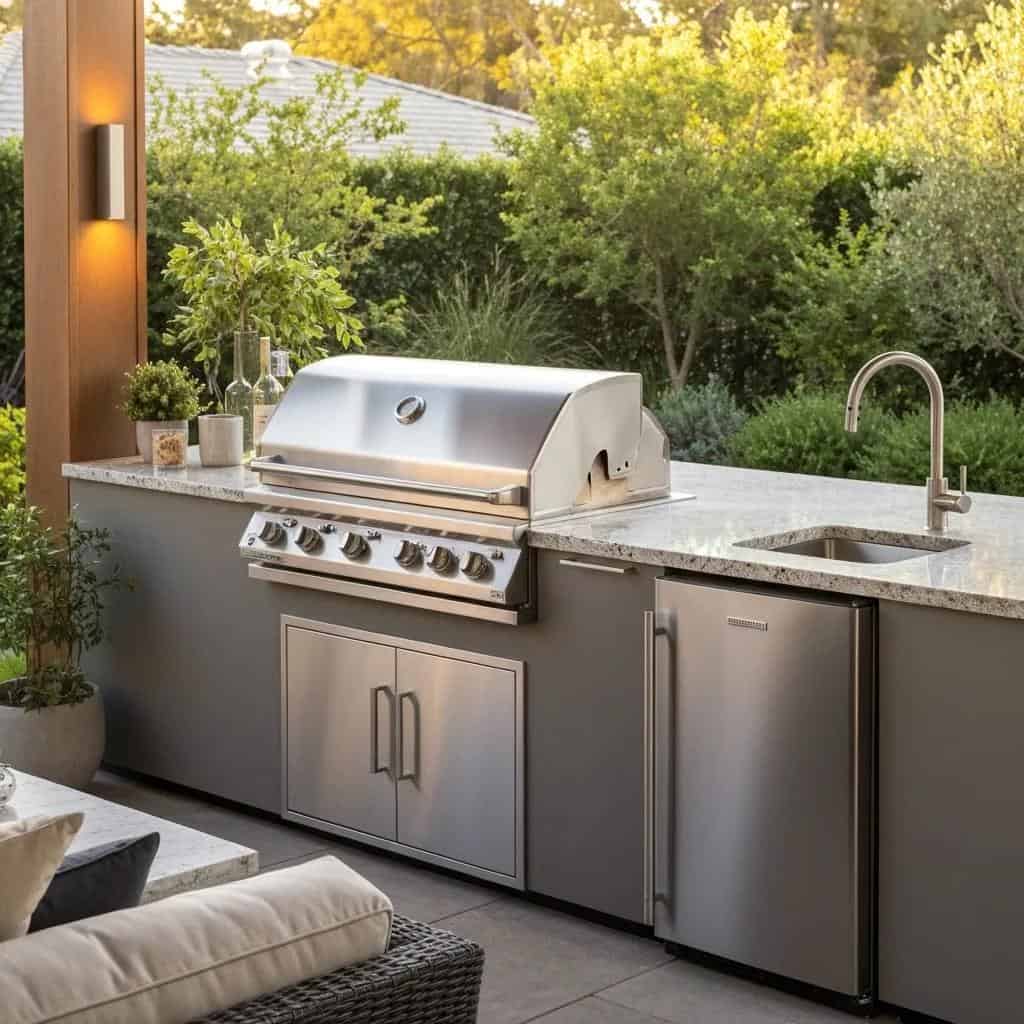
An outdoor kitchen enhances entertaining by combining weather-resistant cooking appliances, durable worktops, and organised storage in a cohesive layout. Installing a covered pergola with integrated extractor vents and all-weather cabinets ensures functionality in variable climates, while built-in seating maximises comfort.
- Modular stainless-steel units streamline cleaning and resist corrosion.
- Quartz or porcelain worktops provide heat resistance and low maintenance.
- Under-counter refrigeration secures perishables close to the cooking zone.
- Weatherproof lighting improves visibility and ambience after dusk.
These elements promote culinary convenience outdoors and link naturally to fire-pit design considerations.
3. How Can Fire Pit Designs Improve Safety and Ambience?
Fire pits offer focal warmth and social cohesion when designed with safety features such as non-combustible surrounds, spark guards, and adequate seating clearance. Incorporating stainless-steel liners and flame-retardant materials reduces risk, while adjustable flame controls enhance atmosphere.
| Design Option | Construction Detail | Key Advantage |
|---|---|---|
| In-ground stone pit | Poured concrete base, stone cladding | Blends seamlessly with patio surfaces |
| Raised metal bowl | Stainless-steel bowl with mesh spark screen | Portability and controlled sparks |
| Sunken seating pit | Retaining-wall bench integration | Comfortable social circle and warmth |
Safe fire pit installation underpins year-round entertaining and flows into mood-enhancing garden lighting strategies.
4. Which Modern Garden Lighting Solutions Work Best in Montana Climates?
LED low-voltage uplights, solar path markers, and recessed deck lights combine to improve safety and extend usage after dark. A mix of warm-white LEDs and colour-adjustable fixtures highlights architectural features and planting while reducing energy consumption.
- Uplights accentuate specimen trees and walls without glare.
- Solar bollards line walkways without wiring.
- Deck-integrated LEDs provide discreet illumination on steps and platforms.
Thoughtful illumination connects seamlessly with pergolas and verandas that follow.
5. What Pergola and Veranda Designs Complement Montana Outdoor Spaces?
Pergolas with louvred roofs and retractable canopies offer flexible shelter and sunlight control, while verandas with glazed screens extend living areas during inclement weather. Using thermally treated timber or powder-coated steel frames ensures durability in damp conditions.
- Adjustable louvre systems regulate airflow and shade.
- Glazed veranda panels reduce wind chill while retaining garden views.
- Climbing plant integration softens structure and enhances privacy.
Garden design ideas that provide covered spaces prepare gardens for the leading landscaping trends that shape 2025 schemes.
What Are the Leading Landscaping Trends in Montana?
Landscaping in Montana focus on sustainability, biophilic design, and resilient hardscaping adapted to variable weather patterns. Combining wildlife-friendly planting with robust paving materials ensures gardens remain attractive, functional, and eco-conscious. Next, we examine each of these garden design ideas and trend in depth.
6. How Is Sustainable Garden Design Shaping Montana Landscaping?
Sustainable garden design ideas harnesse rainwater harvesting, composting, and native planting to reduce environmental impact and maintenance demands. Swales and rain gardens manage runoff, while organic mulches improve soil moisture retention and suppress weeds, promoting self-sustaining ecosystems.
This holistic approach enhances biodiversity and transitions naturally to biophilic and wildlife-friendly design.
7. What Role Does Biophilic and Wildlife-Friendly Design Play?
Biophilic design incorporates natural patterns, materials, and habitats to boost mental well-being and encourage wildlife presence. Features like insect hotels, frog ponds, and log piles create microhabitats, while textured planting and meandering pathways foster sensory engagement. These garden design ideas will greatly enhance your experience with your landscape.
By embracing these elements, garden design ideas evolve into living ecosystems, leading to the selection of weather-resilient hardscaping materials.
8. Which Hardscaping Materials Are Preferred for Montana Weather?
Durable paving and walling materials must withstand frost, heavy rain, and occasional heat. Natural limestone, sandstone, and granite offer slip resistance and longevity, while permeable block paving supports drainage and reduces surface water.
| Material | Durability | Aesthetic |
|---|---|---|
| Limestone | High frost-resistance | Subtle, warm neutral tones |
| Sandstone | Good weather resilience | Textured, earthy character |
| Granite | Excellent hardness | Polished or flamed finishes |
| Block Paving | Permeable performance | Structured colour variety |
Choosing the right materials enhances outdoor living areas and sets a foundation for crafting natural stone patios. Material choices are a priority for stand out garden design ideas.
9. How Can You Design and Build Natural Stone Patios for Montana Gardens?
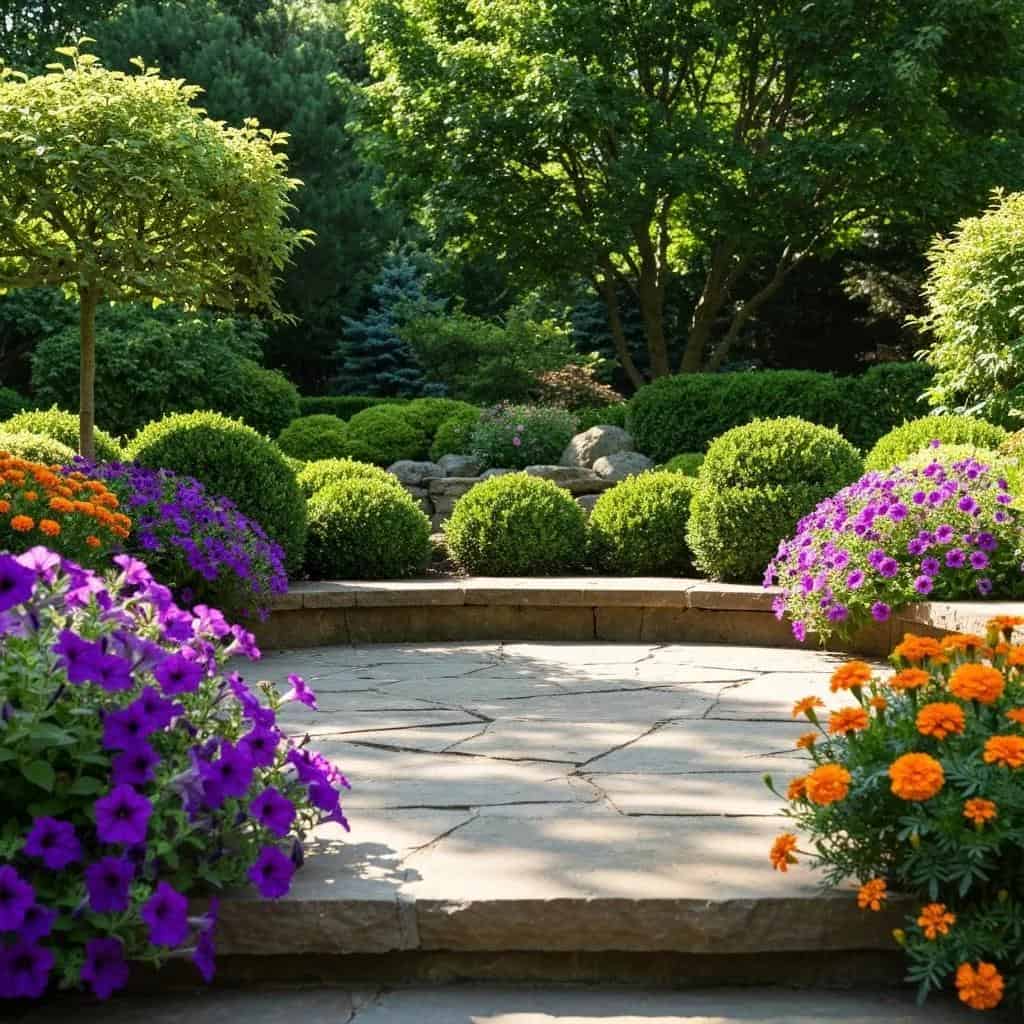
Designing and building a natural stone patio requires selecting suitable stone, planning proper base preparation, and employing professional installation techniques to ensure durability and aesthetic harmony. Understanding each step fosters a long-lasting, beautiful outdoor surface that enhances home value. If your garden design ideas don’t increase the value of your home, then they probably aren’t great ideas.
What Are the Benefits of Using Natural Stone for Patios?
Natural stone provides exceptional durability, slip resistance, and unique veining that elevates outdoor spaces. Its thermal mass moderates surface temperature, while low porosity stones minimise frost damage.
- Longevity – Resists weathering for decades with minimal maintenance.
- Aesthetic richness – Offers distinct patterns and warm tones unavailable in manufactured products.
- Sustainability – Quarry-sourced materials reduce embodied carbon compared to concrete alternatives.
Benefits of Natural Stone Paving for Outdoor Projects in Montana
Natural stone paving offers exceptional durability, weather resistance, and a unique aesthetic appeal, making it a popular choice for patios in Montana. It is inherently strong, capable of withstanding heavy foot traffic and fluctuating Montana weather conditions without cracking or fading easily.
These garden design ideas are information that directly supports the article’s claims about the benefits of using natural stone for patios, emphasizing its longevity, aesthetic richness, and suitability for the Montana climate.
These advantages demonstrate why homeowners who seek out professional garden design ideas increasingly choose stone for garden paving before selecting specific stone types and colours.
How Do You Choose the Right Stone Type and Colour?
Selecting stone involves matching aesthetic preferences with site conditions, traffic levels, and local climate considerations. Limestone and sandstone suit formal schemes, while granite handles high-traffic terraces. Colour variation ranges from soft creams to deep charcoals, complementing planting and architectural elements.
| Stone Type | Best Use Case – Garden Design Ideas | Colour Range |
|---|---|---|
| Limestone | Formal patios, pathways | Ivory to buff |
| Sandstone | Rustic terraces | Ochre to terracotta |
| Granite | High-traffic areas | Grey to jet black |
Balancing function with design enhances satisfaction and transitions to installation techniques that secure patio longevity.
10. What Are the Best Installation Methods for Long-Lasting Patios?
Proper installation combines a compacted sub-base, sharp sand bedding, and precise jointing to prevent movement and water ingress. Mechanically compacted sub-bases eliminate settling, while polymeric jointing sands lock paving stones in place. Truly worthwhile garden design ideas are going to prioritize efficient installation which will also save you money on your project.
| Process | Mechanism | Advantage |
|---|---|---|
| Sub-base compaction | Layered, crushed aggregate compacted | Prevents frost heave and settlement |
| Sand bedding | Sharp sand screeded to uniform depth | Provides even support and load transfer |
| Polymeric jointing | Sand mixed with binding agents | Resists weed growth and wash-out |
Adhering to these methods ensures patios remain stable and attractive, setting the stage for broader sustainability practices.
How Do You Implement Sustainable Garden Design Ideas in Montana?
Implementing sustainable garden design involves choosing water-wise planting, eco-friendly hardscaping, and efficient water management to reduce environmental impact and maintenance. Integrating each component creates a cohesive, resource-efficient landscape that thrives over time.
Which Native and Drought-Tolerant Plants Thrive in Montana Gardens?
It is almost always the right move to filter your garden design ideas through the use of native shrubs like hawthorn and drought-tolerant perennials such as lavender, which excels in low-water conditions while offering seasonal interest and wildlife value.
- Hawthorn provides spring blossom and autumn berries for birds.
- Lavender attracts pollinators and tolerates dry soils once established.
- Sedum species create colourful groundcover with minimal irrigation.
These plant choices reduce watering needs and lead into selecting eco-friendly hardscaping materials.
How Can Eco-Friendly Hardscaping Materials Reduce Environmental Impact?
Recycled brick, reclaimed stone, and permeable block paving support sustainability by lowering embodied energy and improving stormwater management. Using locally sourced aggregates cuts transport emissions and retains regional character. Professional input for your hardscape is a crucial aspect of implementing garden design ideas. Hardscapes provide perimeter nuance, drainage impact, and assists good movement through your landscape.
- Reclaimed brick adds historic texture and diverts waste from landfills.
- Permeable surfaces allow runoff infiltration, reducing flood risk.
- FSC-certified timber for decking ensures responsible forestry practices.
Eco-conscious material selection integrates seamlessly with water harvesting strategies.
11. What Are Effective Water Harvesting Techniques for Montana Gardens?
Rainwater harvesting systems capture roof runoff into storage tanks for irrigation, while swales and rain gardens slow surface flow and recharge groundwater. A combination of above-ground barrels and underground tanks optimises water availability during dry spells.
| Technique | Implementation | Benefit |
|---|---|---|
| Rainwater barrels | Collects gutter runoff | Supplies non-potable water for irrigation |
| Swales | Shallow drainage channels | Directs and infiltrates excess rainwater |
| Rain gardens | Planted depressions with gravel | Filters pollutants and supports wildlife |
These methods conserve mains water and prepare gardens for efficient long-term maintenance.
What Should You Know About Landscaping Services and Maintenance in Montana?
Securing professional landscaper expertise and following seasonal maintenance schedules ensures gardens remain healthy, safe, and attractive. Understanding service offerings, timing, and costs empowers homeowners to invest wisely.
How Do You Choose a Professional Landscaper in Montana?
Selecting a landscaper involves verifying credentials, reviewing portfolios, and confirming insurance coverage. Checking memberships with industry bodies such as BALI or HTA assures quality and adherence to best practices.
- Request detailed design proposals with plant lists and material specifications.
- Examine case studies or site visits to completed projects.
- Confirm full liability insurance and professional accreditation.
These criteria support confident hiring decisions and transition to maintenance routines.
12. What Are Seasonal Garden Maintenance Best Practices?
Seasonal maintenance keeps gardens thriving through pruning, feeding, and pest management. In spring, tidy beds, apply mulch, and feed perennials. Summer focuses on watering regimes and deadheading. Autumn tasks include leaf clearance and protective planting, while winter pruning prepares structures for the next growing season.
| Season | Key Task | Purpose |
|---|---|---|
| Spring | Mulching and feeding | Boosts soil fertility and moisture retention |
| Summer | Regular irrigation | Sustains plant health during dry periods |
| Autumn | Leaf clearance and planting | Prevents disease and establishes new stock |
| Winter | Structural pruning | Maintains form and encourages healthy growth |
Consistent scheduling enhances garden resilience and leads to understanding commercial service benefits.
What Are the Benefits of Commercial Landscaping Services?
Commercial landscaping firms deliver large-scale maintenance, pest control, and seasonal displays that enhance property appeal and brand image. Their advanced horticultural expertise, mechanised equipment, and workforce coordination ensure timely project delivery across multiple sites.
These advantages inform cost considerations for smaller residential projects.
How Much Do Landscaping Projects Typically Cost in Montana?
Landscaping costs vary by project scope, materials, and labour intensity, with average budgets ranging from modest planting schemes to full garden overhauls.
| Project Type | Average Cost (USD) | Return on Investment |
|---|---|---|
| Basic planting and turfing | $2,000 – $5,000 | 60% – 80% uplift in curb appeal |
| Patios and pathways | $6,000 – $12,000 | 70% – 90% increase in usable space |
| Full garden redesign | $15,000 – $30,000 | 100%+ property value enhancement |
Understanding these figures helps homeowners plan budgets and prioritise high-impact improvements before exploring bespoke design services.
The Average Cost of Garden Landscaping in Montana
The average cost of garden landscaping in Montana can range from $1,500 for small projects to over $100,000 for larger, more complex designs, with medium-sized plots typically falling between $7,500 and $25,000. Factors such as garden size, scope of work, design complexity, and material choices significantly influence the overall budget.
This research provides verified cost ranges for various landscaping projects in Montana, directly supporting the article’s section on typical landscaping project costs and helping homeowners budget effectively.
How Can Smooth Stone Landscaping’s Expertise Enhance Your Montana Garden?
Smooth Stone Landscaping offers bespoke design, construction, and maintenance services that blend creativity, craftsmanship, and local climate insight to deliver lasting outdoor transformations. Their comprehensive approach ensures projects remain durable, functional, and visually stunning across Montana seasons.
What Bespoke Garden Design Services Does Smooth Stone Landscaping Offer?
Smooth Stone Landscaping creates tailored garden masterplans, 3D visualisations, and planting schemes that reflect individual lifestyles and site conditions. Their service includes on-site consultations, material sourcing, and full project management to guarantee seamless delivery.
These customised designs form the foundation for enhanced durability in Montana climates.
How Does Local Montana Climate Knowledge Improve Project Durability?
Leveraging deep understanding of Montana weather patterns, Smooth Stone Landscaping specifies frost-resistant materials, wind-tolerant planting, and drainage solutions that prevent waterlogging. Their climate-adapted strategies minimise maintenance and extend the lifespan of garden features.
This expertise shines in case studies showcasing successful transformations across Montana regions.
Can You See Examples of Successful Montana Garden Transformations?
Smooth Stone Landscaping’s portfolio features urban courtyards, country estate terraces, and commercial grounds revitalised with natural stone patios, sustainable planting, and innovative outdoor living areas. Each case study highlights initial challenges, tailored solutions, and enduring results that inspire confidence in their craftsmanship.